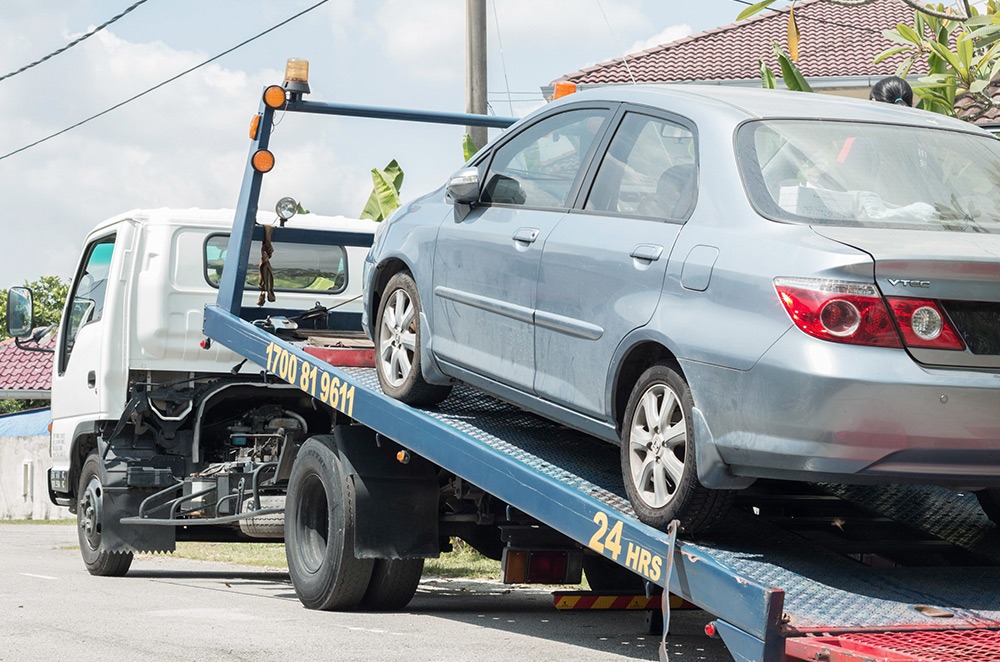
When your car stops moving, the first question in your head is usually how long until help gets there. The honest answer is that most car towing service providers arrive within 30 to 60 minutes under normal conditions. But that window shifts based on where you are, what time it is, and who you called. A company with a truck two miles away in light traffic is a completely different situation from a dispatch center routing a driver through rush hour from across town. Knowing what actually drives the timeline helps you make smarter decisions when you are on the side of the road.
Typical Towing Arrival Time
Most drivers can expect help within a predictable range. The national average for standard roadside towing response is 30 to 45 minutes in populated areas. That window assumes a local provider, a clear route, and a standard vehicle.
Urban vs Suburban vs Rural Wait Times
Geography changes the estimate significantly:
| Setting | Typical Arrival Window |
| Urban areas | 20 to 40 minutes |
| Suburban areas | 30 to 60 minutes |
| Rural or remote areas | 60 to 120 minutes or longer |
Rural locations present the biggest challenge. If you are stranded on a stretch of highway with no nearby town, the nearest available truck may be 40 or 50 miles away. In parts of Wyoming, that is not unusual.
Why Some Services Arrive Faster
Direct dispatch companies consistently arrive faster than services routing calls through a national call center. The key differences come down to the booking path:
- A local tow company receives your call and assigns the nearest available driver immediately
- A national roadside program takes your call, searches for a local subcontractor, confirms availability, and then dispatches
- That extra routing step can add 10 to 20 minutes before a driver even starts moving toward you
Factors That Affect Arrival Time
The ETA you are given at booking is an estimate, and several variables can push it in either direction.
Distance From the Truck to Your Location
This is the single biggest variable. A dispatcher assigns the closest available truck, but closest does not always mean nearby. If all local trucks are already on jobs, the next available driver may be significantly farther out. Ask the dispatcher exactly how far the assigned truck is when you book.
Traffic, Weather, and Time of Day
Rush hour, severe weather, and holiday travel all extend arrival times. A 20-minute drive in normal conditions can take 45 minutes during peak traffic. Ice, snow, and heavy rain slow both driving speed and job completion times since the driver finishing their current job before yours takes longer in bad conditions.
The times most likely to extend your wait:
- Weekday morning and evening rush hours
- Friday afternoons and Sunday evenings
- Winter storms and severe weather events
- Major holidays with high road volume
Roadside Risk Level and Job Priority
Some calls are prioritized over others. If your situation is time sensitive or dangerous, tell the dispatcher clearly when you call. Jobs that typically move to the front of the queue:
- Vehicles blocking an active traffic lane
- Drivers with medical concerns or vulnerable passengers
- Incidents on highways with safety implications
- Breakdowns in extreme weather conditions
Vehicle Type and Special Equipment Needs
A standard sedan on a flat surface requires different equipment than a lifted truck, a low clearance sports car, or a vehicle stuck in a ditch. Always confirm the truck being sent is appropriate for what you drive. Vehicle types that commonly require specialty equipment:
- All Wheel Drive and Four Wheel Drive vehicles need a flatbed
- Low clearance or modified vehicles that cannot be wheel lifted
- Motorcycles requiring a dedicated bike carrier
- Oversized or commercial vehicles needing heavy-duty recovery
What to Ask When You Call
The information you get at booking determines whether the wait is manageable or frustrating. Ask these questions before you hang up.
- What is the estimated arrival time from right now?
Not “as soon as possible.” A specific window, like 35 to 45 minutes, is what you need. - What type of truck is being sent?
Flatbed, wheel lift, and heavy-duty recovery are different services. Confirming the right equipment is being dispatched prevents a second call when the wrong truck arrives. - Is this a direct dispatch or through a third party?
If your call is being routed through a roadside assistance program or insurance provider, ask how long before a local driver is assigned. That routing step adds time you may not have been quoted.
How to Reduce the Wait
You have more control over your wait time than most people realize. These actions consistently lead to faster arrivals.
Share Your Exact Location Immediately
Vague location descriptions slow dispatch. Every minute spent confirming where you are is a minute before the driver starts moving. Give the dispatcher as much of the following as you can:
- A mile marker or highway sign number
- The nearest cross street or exit
- The name of a visible business or landmark
- Your GPS coordinates, if your phone shows them
Call a Local Provider Directly When Possible
Skipping the middleman speeds everything up. A local car towing service with trucks already operating in your area will almost always respond faster than a national program that has to locate and assign a local subcontractor after your call.
Keep Your Phone Available for Driver Updates
Drivers often call ahead when they are close. Missing that call can result in the driver marking the job as unreachable and moving on. Keep your phone on, volume up, and stay near where you told dispatch you would be.
When a Delay Is Normal
Some situations reliably push wait times beyond the standard window. A longer-than-expected ETA is not automatically a sign of poor service.
Peak Traffic and Severe Weather
Both slow driving times and job completion times are occurring simultaneously. During a winter storm, every job on the board takes longer, which cascades through every subsequent booking. A 90-minute wait during a blizzard is not unusual, even from a reliable local provider.
Remote Locations
Rural breakdown locations in areas with low truck density carry inherently longer wait times. Parts of central and western Wyoming, for example, have limited tow coverage compared to metro areas. The honest answer in those situations is that the wait will be longer, and planning for it is the right approach.
Specialized Towing Requirements
Heavy-duty recovery, off-road vehicle extraction, and motorcycle transport require specific equipment that may not be immediately available. If your situation falls into one of these categories, build extra time into your expectations from the start.
Takeaway
Most tow arrivals happen within 30 to 60 minutes. The clearest estimate always comes from confirming directly with dispatch at booking rather than relying on a general range. Location and service type drive the timeline more than any other factor.
When you are stranded in Wyoming, Smith Oil Field Service dispatches directly with trucks covering Park, Fremont, Big Horn, Washakie, and Hot Springs counties, backed by years of local road experience. No call center routing or guessing. Call them the moment you need a reliable car towing service and get an honest arrival time from a driver who knows the roads.