
A car rarely breaks down without warning. It whispers first through a faint vibration, a slower start, a sharper smell, or a noise you keep hoping will disappear on its own. That is where skilled car repair becomes more than a service appointment; it becomes the difference between owning a machine that ages with dignity and one that drains your patience one repair bill at a time.
Drivers often think vehicle problems begin when a part fails, but most begin earlier, when small signs get missed or treated without care. A rushed fix can hide trouble for a few weeks, while careful work protects long-term vehicle health by solving the cause instead of silencing the symptom. If you follow automotive updates, ownership advice, or service industry insights through a trusted publishing network, you already know that modern drivers need clearer guidance, not more noise.
Good repair work does not only keep a car moving. It keeps confidence alive every time you turn the key, merge into traffic, or take a long road without wondering what might go wrong next.
The Real Cost of Poor Repair Quality
Cheap work can feel like a win in the moment, especially when the car starts again and the bill looks smaller than expected. The trouble is that poor repair quality often moves the problem rather than ending it. A loose connection, mismatched part, skipped diagnostic step, or careless fluid choice can create a chain reaction that costs more than the original fault ever would have.
Why quick fixes often create slower damage
A rushed repair has a sneaky way of looking successful. The warning light goes off, the sound fades, and the driver leaves relieved. Under the surface, though, the same stress may still be running through the system, wearing down parts that were never checked.
Take a cooling issue as an example. Replacing a hose may stop a visible leak, but if the thermostat sticks or the radiator fan fails under load, the engine still runs hotter than it should. The driver thinks the problem is gone, then months later faces a warped head gasket or deeper engine wear.
That is the part many drivers miss. Bad repairs are not always dramatic. Sometimes they are quiet, patient, and expensive.
Repair quality matters because every system in a car speaks to another system. Brakes affect tires. Suspension affects steering. Engine timing affects fuel use. A technician who treats one part like it exists alone is not repairing the car; they are gambling with the next failure.
How poor diagnosis turns small faults into major repairs
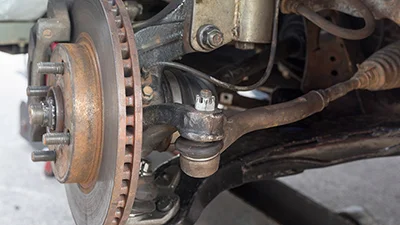
A car problem is not always where the noise comes from. A squeal near the wheel may sound like a brake issue, but it could involve a worn bearing, uneven rotor surface, weak caliper movement, or a suspension part shifting under pressure. Guessing gets dangerous fast.
Proper diagnosis protects vehicle maintenance from becoming a guessing game. It slows the process down enough to ask the right questions before any wrench turns. When did the symptom start? Does it happen cold or warm? At idle or under load? On rough roads or during braking?
Those questions sound simple, but they separate skilled work from parts swapping. A shop that replaces components until the problem disappears is making you pay for its uncertainty.
Good diagnosis also respects your time. A car that returns to the workshop three times for the same complaint does more than waste money. It breaks trust. Once that happens, every future noise feels heavier because you no longer know whether the last repair actually solved anything.
How Better Vehicle Maintenance Starts in the Workshop
A strong maintenance routine does not begin with a calendar reminder. It begins with someone looking at the car carefully enough to understand how it is actually being used. City driving, short trips, hot weather, dusty roads, heavy loads, and stop-and-go traffic all change what a vehicle needs, even when the owner’s manual gives the same basic schedule.
Why service intervals should match real driving
Factory maintenance schedules give drivers a useful baseline, but they cannot see your commute. A car that spends most of its life in traffic ages differently from one that cruises on open roads. Short trips keep oil cooler for longer, allow moisture to build inside the system, and put repeated strain on the battery and starter.
This is where vehicle maintenance becomes personal. A good technician will not treat every 10,000 kilometers the same. They will notice brake dust patterns, tire wear, fluid condition, belt aging, and battery performance in context. The car tells a story if someone bothers to read it.
A practical example is engine oil. Two drivers may cover the same mileage, but one does it through long highway runs while the other crawls through dense streets. The second car may need earlier service because the engine spends more time idling, heating, cooling, and restarting.
Mileage matters. Usage matters more.
How inspection habits protect long-term vehicle health
A proper inspection does not exist to scare drivers into buying work they do not need. It exists to catch the difference between “watch this” and “fix this now.” That distinction saves money when the shop is honest and skilled enough to explain it clearly.
Long-term vehicle health depends on these small moments of attention. A cracked bushing caught early prevents uneven tire wear. A weak battery discovered before winter prevents a no-start morning. A minor fluid seep watched over time can be repaired before it becomes a roadside failure.
The best workshops do not make every issue sound urgent. They rank problems by safety, timing, and cost risk. That helps you plan instead of panic.
There is a quiet confidence that comes from knowing what your car needs now, what can wait, and what should be monitored. That confidence is not luck. It comes from inspection habits that respect both the machine and the person paying for its care.
Skilled Car Repair and the Systems Behind Reliability
Reliability is not one part doing its job. It is a group of systems staying in balance while heat, friction, pressure, vibration, and time try to pull them apart. The more complex vehicles become, the more repair work demands patience, training, and judgment. A modern car may look familiar from the outside, but under the hood and behind the dashboard, it is a network of mechanical and electronic decisions happening every second.
Why modern vehicles punish guesswork
Older cars often gave technicians more room for rough judgment. Modern vehicles are less forgiving. Sensors, control modules, electronic throttles, fuel mapping, driver-assistance features, and emissions systems can all respond to one fault in ways that confuse a surface-level diagnosis.
A weak oxygen sensor, for instance, can affect fuel economy, engine response, emissions readings, and even spark plug condition over time. Replacing the plugs alone may make the engine feel better for a short while, but the real cause keeps shaping the next failure.
Repair quality now depends on understanding relationships. A scan tool can reveal codes, but it does not think. The technician has to interpret the data, test the likely causes, and avoid blaming the first part named by the computer.
That is the counterintuitive truth: more technology does not make repair work easier. It makes lazy repair easier to expose.
How workmanship affects safety beyond the obvious parts
Drivers usually connect safety with brakes, tires, and lights, but workmanship reaches deeper than that. A poorly torqued wheel, contaminated brake surface, misrouted wire, loose battery terminal, or unsecured hose can create danger long after the car leaves the shop.
Good car service decisions should include asking how work is performed, not only what work is recommended. Are the correct parts used? Are bolts tightened to spec? Are fluids matched to manufacturer requirements? Is the vehicle road-tested after the repair?
These details may sound small until one fails. A brake job done with careless cleaning can cause vibration. A suspension repair without alignment can destroy tires. A battery replacement without proper reset procedures can trigger electrical issues in certain vehicles.
The safest repairs are often invisible. You do not notice them because nothing goes wrong afterward.
Choosing Repair Support That Pays You Back Over Time
The right workshop does not only repair your car; it changes how you own it. You stop reacting to every surprise and start making calmer choices based on evidence. That shift matters because most drivers do not have unlimited time, unlimited money, or unlimited patience for repeat problems.
What trustworthy communication sounds like
A reliable technician explains problems in plain language without making you feel foolish. They show what failed, explain why it matters, and separate urgent repairs from future concerns. That kind of communication builds trust faster than any discount ever could.
Strong communication also includes limits. A good workshop will admit when a problem needs more testing, when a part is not yet confirmed as faulty, or when a symptom could come from several sources. That honesty may feel less neat than a quick answer, but it protects you from paying for guesses.
Car service decisions become easier when the shop gives you a clear path. You should understand the safety risk, the cost risk, and the timing risk before approving work. No pressure script can replace that.
One useful habit is to ask for the old part when practical, or at least photos of the issue. Honest shops rarely object. They know transparency makes the relationship stronger.
How a repair history becomes a financial advantage
A documented repair history can quietly raise the value of a vehicle. Buyers trust cars that come with records because records show care, not promises. Even if you never sell the car, that history helps technicians spot patterns and avoid repeating old work.
Vehicle maintenance records also make future diagnosis sharper. If a fuel pump was replaced last year, a technician can look elsewhere first when a starting issue appears. If tires wore unevenly before an alignment, the shop can check whether the pattern returned.
This saves time, and time is money in repair work.
A strong history also helps you decide when to stop investing. No car lasts forever, and loyalty to a failing vehicle can become expensive denial. When records show repeated major repairs across unrelated systems, you can make a clear decision instead of guessing from memory.
Conclusion
A healthy car is not created by luck, brand reputation, or occasional emergency repairs. It is built through steady attention, accurate diagnosis, careful workmanship, and the discipline to fix causes rather than chase symptoms. Drivers who understand that make better choices, spend more wisely, and avoid the exhausting cycle of surprise breakdowns.
The smartest move is not waiting until a warning light forces your hand. It is choosing repair support that treats your vehicle as a connected machine with a future worth protecting. Skilled car repair matters because every correct decision today gives the next part, the next journey, and the next year of ownership a better chance.
Book a proper inspection with a workshop you trust, ask clear questions, and start treating repair records like part of the vehicle itself. A car cared for with judgment does more than last longer; it gives you back the peace of driving without suspicion.
Frequently Asked Questions
Why does skilled car repair matter for long-term vehicle health?
Careful repair work solves the cause of a problem instead of hiding the symptom. That protects connected systems from extra stress, reduces repeat failures, and helps the vehicle age in a more predictable way over years of driving.
How can poor repair quality damage a car over time?
Poor repair quality can leave hidden faults active beneath the surface. A rushed fix may stop a noise or warning light, but the original strain can keep wearing down nearby parts until a larger, costlier failure appears.
What vehicle maintenance habits help prevent major repairs?
Consistent inspections, timely fluid changes, tire checks, brake reviews, and battery testing prevent many major problems. The best habit is acting on early warning signs before they become breakdowns that limit your choices.
How do I know if a workshop gives honest repair advice?
A trustworthy workshop explains the issue clearly, shows evidence when possible, and separates urgent work from future maintenance. Pressure, vague answers, and instant certainty without testing are signs to slow down before approving repairs.
Why is diagnosis important before replacing car parts?
Diagnosis prevents unnecessary parts replacement. Many symptoms can come from several causes, so testing helps confirm the real fault before money is spent. This protects both the vehicle and your repair budget.
How often should I schedule vehicle maintenance?
Maintenance timing should match how you drive, not mileage alone. City traffic, short trips, heat, dust, and heavy loads can shorten service intervals. A technician should adjust recommendations around real use.
Can repair records improve vehicle resale value?
Repair records can make a used car more attractive because they prove consistent care. Buyers feel more confident when they can see what was fixed, when it was serviced, and how responsibly the vehicle was maintained.
What car service decisions save money in the long run?
Approving accurate diagnosis, choosing quality parts, fixing safety issues early, and following a planned maintenance schedule save money over time. The cheapest repair today can become expensive if it leaves the real problem untouched.