A check engine light can feel unfair when the car starts fine, idles fine, and still passes the “does it drive?” test in your driveway. A failing fuel tank pressure sensor can cause that exact kind of headache because it may not change how the engine feels at first. Instead, it feeds the powertrain control module a pressure story the computer cannot trust. That is how EVAP system codes show up even when there is no puddle, no obvious fuel loss, and no dramatic breakdown. The EVAP system exists to trap gasoline vapor and keep it from escaping into the air, then route that vapor back into the engine when conditions are right. Current inspection guidance describes the pressure sensor as a key part of that leak-checking process, especially during OBD II monitoring. For American drivers trying to make smart repair decisions, clear auto repair explanations matter because EVAP faults are easy to misread. A loose gas cap, a cracked hose, a stuck purge valve, and a bad sensor can all point toward the same warning light.
Why a Failing Fuel Tank Pressure Sensor Triggers EVAP Codes
The sensor’s job sounds simple, but the computer expects a lot from it. It watches pressure and vacuum changes in the tank while the EVAP monitor runs. If the signal sits too high, too low, or changes in a way that does not match the commanded test, the car may set a code. That does not always mean vapor is escaping. Sometimes the “leak” is bad information.
How the PCM Reads Tank Pressure During Self-Tests
The powertrain control module does not look inside the fuel tank. It makes decisions from signals. During certain driving conditions, it closes or opens EVAP valves, watches how pressure changes, and decides whether the system can hold vapor. New York’s OBD II inspection material explains that the monitor only runs under specific conditions, including engine behavior, outside temperature, and fuel level.
That last detail matters more than many drivers expect. A driver in Ohio might clear a code after replacing a gas cap, then drive only short trips in cold weather. The EVAP monitor may not even finish for days. The light can stay off for a while, then return after one longer highway drive when the test finally runs.
Here is the non-obvious part: the sensor can fail without causing a true fuel vapor leak. The computer may command a sealed test, but the signal reports pressure movement that never happened. To the PCM, false data looks the same as a bad seal until someone tests the circuit and watches live scan data.
Why EVAP Faults Often Feel Worse Than They Are
EVAP faults frustrate owners because the car may seem healthy. You can drive to work, fill the tank, and sit in traffic with no stumble. Then inspection month arrives, and the check engine light blocks registration renewal in states with emissions testing. That is when a small sensor issue becomes a real-life problem.
Most EVAP system codes do not mean the engine is about to fail. They mean the fuel vapor control system could not prove itself. J.D. Power describes the system as a set of parts that store gasoline vapors, route them to the engine, and trigger a fault when a leak or sensor failure is detected. That is a different kind of urgency.
Still, ignoring it is not smart. A system that cannot test itself can hide an actual fuel vapor leak later. Worse, replacing parts by guesswork can turn a $20 gas cap concern into a $600 tank-drop job. The first win is knowing which symptoms fit a sensor fault and which ones point elsewhere.
Symptoms Drivers Notice Before Diagnosis Gets Serious
The warning light is the headline, but it is not the whole story. A pressure sensor problem often lives in the gray zone between “nothing feels wrong” and “the scanner says something is wrong.” That gap is where owners waste money. You need to read the pattern, not one symptom alone.
Check Engine Light With Little or No Drivability Change
The most common clue is a check engine light with normal drivability. No hard start. No misfire. No loss of power. The car may pass your personal smell test and still fail the onboard EVAP monitor. Cars.com notes that the sensor is tied to the engine computer, and a sensor failure can trigger the light while sending mechanics toward the EVAP system or the sensor itself.
That is why cheap scan tools help but do not finish the job. If you see P0451, P0452, P0453, P0440, P0442, or P0455, the code family gives direction. It does not prove the part. P0451 often points toward range or performance. P0452 and P0453 suggest low or high circuit input. Leak codes may still be caused by hoses, caps, valves, or a signal that makes the computer think pressure is escaping.
A real example: a 2012 Silverado comes in with a light after several fuel stops. The owner replaced the cap twice. Live data shows the tank-pressure reading stuck near one end of its range even when the purge and vent commands change. That is not a cap story anymore. That is a signal story.
Fuel Smell, Hard Refueling, and Odd Tank Behavior
A fuel smell can happen with EVAP faults, but it should be treated carefully. Raw gasoline odor near the rear of the car can point to a cracked pump seal, filler neck rust, a damaged vent line, or a canister concern. A sensor can report pressure wrong, but it does not create vapor by magic.
Hard refueling is another clue that often gets blamed on the wrong part. If the pump clicks off every few seconds, the vent path may be restricted. A saturated charcoal canister, kinked vent hose, or stuck vent valve can trap air during filling. The sensor may report odd pressure, yet the root cause could be the tank’s breathing path.
The counterintuitive truth is that a stronger smell does not always mean the sensor is more likely. It often means the opposite. A failed reading with no smell leans toward circuit or sensor testing. A strong odor after filling leans toward physical leak inspection first. Follow the evidence before buying parts.
For deeper repair planning, pair sensor testing with an EVAP leak testing guide so you do not treat every vapor code as the same repair.
How to Separate a Bad Sensor From Other EVAP Problems
Good diagnosis starts with humility. EVAP systems are small, sealed, and picky. They also run under low pressure, so a hairline crack can matter. The pressure sensor is one voice in the conversation. The purge valve, vent valve, canister, gas cap, filler neck, and hoses all get a vote.
What Scan Data Can Reveal Before Parts Come Off
A decent scan tool can show tank-pressure voltage or pressure reading. The key is whether the reading makes sense. With the key on and engine off, the value should not be stuck at an extreme. When the purge valve is commanded, the reading should respond. When the vent path changes, the response should also make sense.
This is where many home repairs go wrong. A code reader gives a code, but it does not show whether the signal moves. A better scan tool lets you watch the sensor while the EVAP valves are commanded. If the reading is flat, jumps randomly, or shows pressure that does not match the test state, the sensor or wiring deserves attention.
Wiring matters. Many pressure sensors depend on a reference voltage, ground, and signal return. Corrosion above the tank can mimic a bad part. In snowy states such as Michigan, Pennsylvania, and Wisconsin, salt spray can attack connectors near the rear of the vehicle. The sensor gets blamed because the computer sees a bad signal, but the connector may be the weak link.
Smoke Testing, Caps, and Valve Checks Still Matter
A smoke test can find leaks that live above the tank, around the pump seal, or inside brittle vent lines. It is not fancy theater. It gives shape to a problem the eye often misses. The EPA has described fuel and evaporative system leaks as potential sources of volatile organic compounds, which is why these monitors matter beyond dashboard annoyance. You can also read more from EPA’s evaporative emissions research.
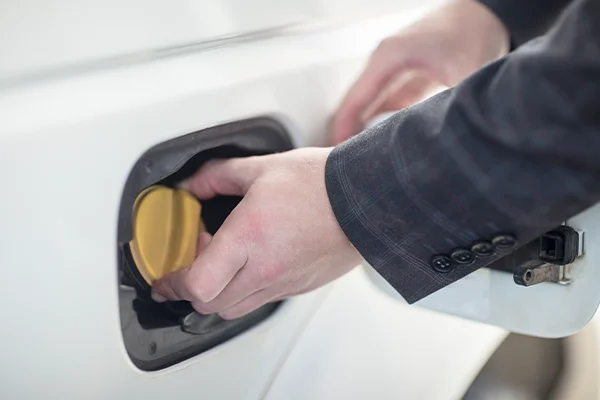
Gas caps still deserve a look. A loose, wrong, or damaged cap can create large-leak behavior. NYVIP inspection material notes that gas cap failures are common on OBD II vehicles and may set large-leak codes such as P0440. That does not make the cap guilty every time, but it should be checked before the tank comes down.
The smartest repair order is not always the cheapest-part-first order. It is the easiest-proof-first order. Check the cap seal. Inspect visible hoses. Look at scan data. Command valves. Smoke test if needed. Then decide whether the sensor has earned replacement.
Repair Costs, Replacement Access, and Smart Owner Decisions
Repair cost depends less on the sensor price and more on access. Some vehicles place the part near the top of the tank or inside the fuel pump module area. That can mean lowering the tank. Other designs give better access under a rear seat or service panel. The difference can turn a simple part into a labor-heavy repair.
Why Labor Can Cost More Than the Sensor
The part itself is often not the painful line item. Labor is. Cars.com points out that fixing an EVAP leak may not require removing the tank, while checking or replacing the pressure sensor often does. That is why a quote can feel out of proportion when the part looks small online.
In the USA, repair pricing also varies by rust, tank fullness, shop rate, and vehicle design. A southern Toyota with clean hardware may be far easier than a Northeast pickup with corroded straps. If the tank is full, the job gets heavier and slower. Some shops may ask you to return with less fuel in the tank for safety and access.
A smart owner asks what test proved the sensor failed. The answer should not be “the code said so.” Better answers sound like this: the signal stayed fixed during commanded purge, the reference and ground tested good, the wiring passed inspection, and no leak was found during smoke testing. That is a repair you can trust.
When Replacement Is Worth It and When to Pause
Replacement is worth it when testing points straight at the sensor or its internal range. It is also worth it when a vehicle keeps failing readiness after other EVAP repairs, and live data shows pressure readings that do not match system commands. At that point, waiting may only delay inspection and add more diagnostic time.
Pause when the only evidence is a general leak code. P0442 or P0455 alone does not convict the sensor. A small leak can come from a cracked hose. A large leak can come from a cap, filler neck, or vent valve stuck open. A purge valve stuck open can create strange pressure behavior and rough running after fuel stops.
The underrated move is asking for the old data, not the old part. Have the shop note freeze-frame conditions, codes, and test results. If the light comes back, that paper trail saves time. It also separates honest diagnostic work from parts darts. For a second layer of logic, compare the symptoms with a check engine light diagnosis steps resource before approving a tank removal.
Conclusion
EVAP diagnosis rewards patience because the loudest symptom is often only a warning light. The sensor may be guilty, but the system around it can create similar codes with a loose cap, cracked hose, stuck valve, or damaged connector. That is why the best repair path starts with proof, not panic. A failing fuel tank pressure sensor should be confirmed with scan data, circuit checks, and leak testing before anyone lowers a tank or replaces expensive parts. For most drivers, the car will keep running, but that does not make the fault harmless. It can block inspection, mask a real fuel vapor leak, and waste money when guessed at. Treat the code as a trailhead, not a verdict. Ask better questions, demand real test results, and fix the part that failed.
Frequently Asked Questions
How do I know if the EVAP pressure sensor is bad?
Look for a check engine light with codes such as P0451, P0452, or P0453, then confirm with live scan data. A bad sensor may show a stuck, erratic, or unreasonable pressure reading while EVAP valves are commanded during testing.
Can I drive with an EVAP pressure sensor code?
You can often drive short-term if the car runs normally and there is no strong fuel smell. Still, the fault should be diagnosed soon because it can prevent emissions readiness, hide a vapor leak, and keep the check engine light on.
Will a bad gas cap cause the same codes?
A bad gas cap can cause some EVAP system codes, especially leak-related codes. It is less likely to cause a clear sensor circuit code. Check the cap seal first, but do not keep replacing caps if scan data points elsewhere.
Why does my car smell like gas with an EVAP code?
Fuel smell usually means vapor or liquid fuel is escaping somewhere. Common causes include a cracked hose, filler neck rust, loose pump seal, damaged canister, or vent issue. A pressure sensor code can appear alongside those faults.
How much does it cost to replace an EVAP pressure sensor?
The part may be affordable, but labor can raise the bill if the tank must be lowered. Cost depends on vehicle design, rust, fuel level, and shop rate. Ask for diagnostic proof before approving replacement.
Can a bad EVAP sensor cause rough idle?
Usually, the sensor itself does not cause rough idle. Rough running after fueling often points toward a purge valve stuck open, which lets excess vapor enter the intake. The same system can set related codes, so testing matters.
Why did my EVAP code come back after replacing the sensor?
The original fault may have been a leak, valve issue, wiring problem, or readiness condition rather than the sensor. Recheck freeze-frame data, inspect connectors, command the purge and vent valves, and smoke test the system before replacing more parts.
Is a smoke test needed for EVAP diagnosis?
A smoke test is helpful when leak codes are present or visual checks find nothing. It can reveal small cracks above the tank, around seals, or along vent lines. Sensor circuit codes still need electrical and scan-tool testing.