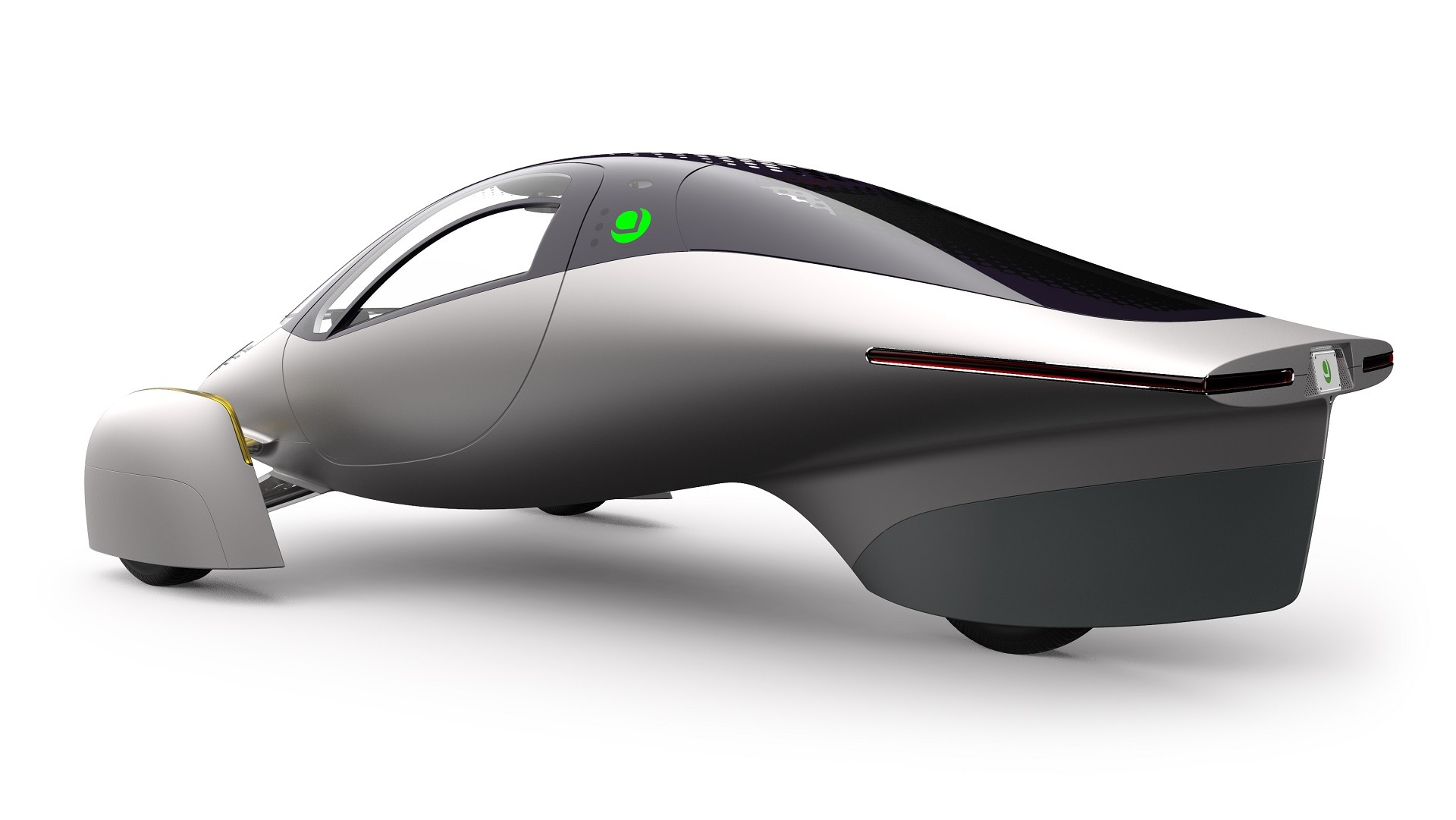

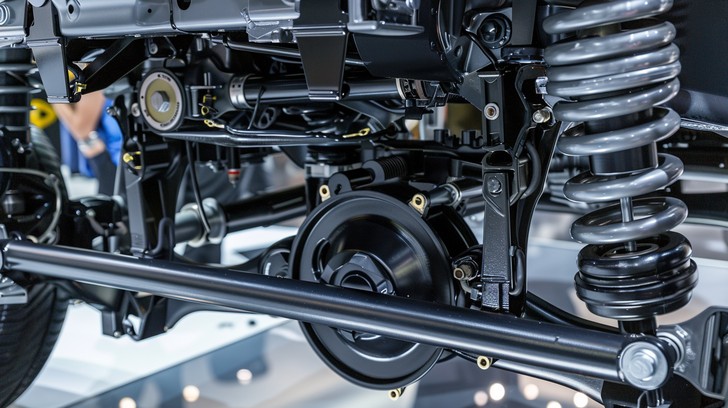
Modern vehicles are designed to provide far more than simple transportation. Comfort, stability, and safety have become just as important as speed and performance. One of the biggest contributors to this transformation is the development of smart suspension systems. Unlike traditional suspension setups that rely solely on fixed mechanical components, smart suspension systems use advanced sensors, electronic controls, and adaptive dampers to adjust to changing road conditions in real time. Whether driving on a smooth highway or a rough rural road, these systems continuously optimize the ride for maximum comfort and improved vehicle handling.
Smart Engineering For Every Road
Today’s intelligent suspension technology constantly gathers information from multiple sensors placed throughout the vehicle. These sensors monitor wheel movement, vehicle speed, steering input, braking force, and road surface conditions. Based on this information, the system adjusts the suspension within milliseconds.
Just as digital government services such as kaveri 2.0 online registration simplify property related processes through automation, modern suspension systems rely on digital intelligence to automate ride adjustments without requiring any action from the driver. The result is a smoother driving experience that reduces vibrations and enhances passenger comfort during every journey.
Adaptive Damping Makes A Difference
Adaptive damping is one of the most significant innovations in suspension engineering. Instead of maintaining the same stiffness throughout the drive, adaptive dampers continuously change their resistance depending on driving conditions.
When traveling on uneven roads, the suspension softens to absorb bumps and potholes. During sharp turns or sudden braking, it becomes firmer to improve vehicle stability and reduce body roll. This seamless adjustment creates a balanced combination of comfort and control.
Luxury vehicles have popularized adaptive suspension technology, but improvements in manufacturing have made these systems increasingly available in mid range vehicles as well. As production costs continue to decline, more drivers can enjoy advanced ride quality that was once limited to premium automobiles.
Sensors That Predict Road Conditions
Modern smart suspension systems do much more than react to bumps after they occur. Some advanced models use cameras and radar technology to scan the road ahead. These predictive systems prepare the suspension before the wheels even reach uneven pavement.
This proactive approach minimizes the impact felt inside the cabin while also improving tire contact with the road. Better tire contact enhances braking performance, cornering ability, and overall driving confidence.
Much like organizing a kanya sumangala yojana document requires careful preparation before completing an application, predictive suspension technology prepares the vehicle in advance for changing road conditions rather than responding only after encountering them.
Improved Safety Through Better Stability
Comfort is only one advantage of smart suspension systems. They also contribute significantly to road safety.
A stable vehicle maintains better traction, especially during emergency maneuvers or adverse weather conditions. By reducing excessive body movement, smart suspension systems help keep the tires firmly connected to the road surface. Drivers experience more predictable steering, improved braking performance, and greater confidence when navigating curves or avoiding obstacles.
In addition, passengers benefit from reduced motion sickness because the vehicle experiences fewer sudden movements during travel.
Reduced Wear And Long Term Value
An efficient suspension system not only protects passengers but also preserves other vehicle components. Constant impacts from rough roads place stress on tires, steering components, and the chassis. By absorbing these impacts more effectively, smart suspension systems reduce mechanical wear and extend the lifespan of various parts.
Similarly, reliable digital resources such as the banglarbhumi website simplify access to land related information by improving efficiency. Smart suspension technology delivers comparable operational efficiency within a vehicle by distributing forces more effectively and minimizing unnecessary strain on critical mechanical systems.
As maintenance costs decrease over time, owners benefit from lower repair expenses and improved long term vehicle value.
The Future Of Intelligent Mobility
Automotive manufacturers continue investing heavily in suspension innovation. Future systems are expected to integrate more closely with artificial intelligence, autonomous driving technologies, and connected vehicle networks.
Vehicles may soon communicate with one another about road hazards, allowing suspension systems to prepare for potholes, construction zones, or uneven pavement long before arriving at those locations. Machine learning algorithms will further personalize suspension settings according to individual driving habits and passenger preferences.
Digital platforms such as the Uttarakhand bhulekh portal demonstrate how technology continues making complex information easier to access. In much the same way, intelligent automotive technologies continue making sophisticated engineering work seamlessly in the background while drivers simply enjoy a smoother ride.
Conclusion
Smart suspension systems represent one of the most important advancements in modern automotive engineering. By combining sensors, adaptive dampers, predictive technologies, and intelligent electronic controls, these systems deliver exceptional comfort without compromising safety or handling. They reduce vehicle wear, improve driving confidence, and create a more enjoyable experience for both drivers and passengers. As automotive technology continues evolving, smart suspension systems will become increasingly intelligent, affordable, and widely available. Their ability to adapt instantly to changing road conditions ensures that every journey becomes smoother, safer, and more comfortable, making them an essential feature for the next generation of vehicles.