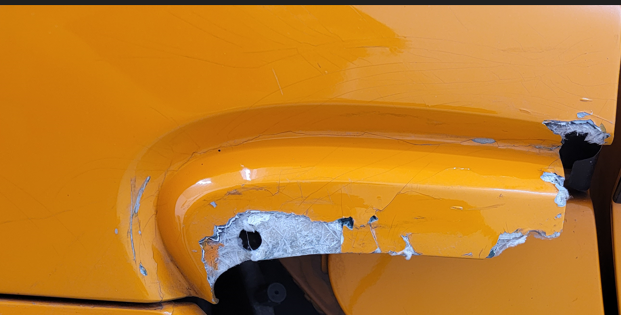
A Lotus does not forgive lazy bodywork. For most U.S. track-day owners, Lotus Elise fiberglass body repair starts with one hard truth: the crack you can see is rarely the full story. A cone strike, tire-wall brush, trailer ramp scrape, or jack-stand mistake can bruise the laminate beyond the paint line. The right fix begins with inspection, not filler. You clean the wound, read the fracture, grind back weak material, rebuild the panel from the back when you can, then shape the face only after the strength is back. That order matters. Many owners also want cost control, since a new clam can turn a small weekend mistake into a four-figure hunt. Good automotive repair resources help, but the Elise rewards patient hands more than shopping carts full of products. This guide is written for American owners who drive their cars hard, store them in real garages, and need a practical way to judge what belongs at home, what belongs at a body shop, and what should stop the car from going back on track.
A Smart Lotus Elise Fiberglass Body Repair Plan Starts With Damage Reading
The Elise is not built like a steel-bodied coupe with bolt-on fenders and deep stampings. Its outer skin is made from composite body panels, and Lotus service material describes those panels as separate from the bonded aluminum chassis structure. That is good news when the damage is limited to the clam or sill cover. It is bad news when an owner treats a body crack like a paint chip and misses what the hit did behind it. Before tools come out, decide what story the damage is telling. Was the car hit from the side, pushed upward from below, twisted at a mounting point, or scraped across the face? The answer changes the repair path more than the size of the scar.
How Lotus Elise cracks start around stress and mounting points
Lotus Elise cracks often begin where the panel is asked to do two jobs at once. A wheel arch lip takes stone hits, but it also carries vibration. A lower nose corner gets scraped, but it may also sit near a fastener or bracket. When the car loads up over a curb at a track like Road Atlanta or Buttonwillow, the panel flexes, the paint stretches, and the old weak spot starts to speak.
Look for a white line under the paint, a star pattern around a screw, or a hairline that comes back after polishing. A crack near a mounting point deserves more suspicion than one in the middle of a flat area. The fastener may be pulling the laminate, or the bracket may be bent. If you fix the skin and leave the tension in place, the repair becomes a short-term cosmetic patch. That is why the first tool should be a flashlight, not a sander.
A non-obvious clue is sound. Tap the area with a plastic trim tool and compare it with the same location on the opposite side. A duller note can point to delamination. It is not a lab test, but it catches problems your eyes miss. That matters on composite body panels because the face can look calm while the backside has torn fibers.
Why track damage repair needs a wider inspection than street damage
Street damage often tells a neat story. A parking curb scrapes the splitter. A garage wall kisses the mirror. Track damage repair is messier because the loads arrive fast and from odd directions. A spin through wet grass can pack mud behind the rear clam and bend a bracket before the driver even knows the corner of the car touched anything.
Start with panel alignment. Check door gaps, engine cover fit, headlamp openings, wheel arch clearance, and the gap where the front clam meets the sill. On a normal car, a crooked gap may be cosmetic. On an Elise, it may tell you the clam shifted on its mounts. That does not mean the chassis is bent, but it means you should slow down. Remove the wheel if needed. A crack that looks minor from above can hide a torn lip inside the arch.
Here is the counterintuitive part: the ugly scrape is not always the expensive damage. The visible wound may be simple, while the hidden issue is a pulled insert, split tab, or cracked backside flange. A U.S. owner who runs autocross on Sunday and commutes on Monday may miss that because the car still feels fine. Panels lie. Fit does not.
Choosing Materials That Match the Elise Instead of Fighting It
Once the damage is mapped, the next mistake is buying the nearest repair kit and hoping resin fixes all sins. The Elise needs materials chosen for the panel, the depth of the crack, and the access you have to the rear face. Cheap filler can make a photo look better, but it cannot replace broken fibers. Strength comes from laminate, bond area, and shape. Product choice is also a timing choice. Some resins give you a long open window. Some adhesives grab fast. In a warm Texas garage, a mix that felt calm on the bench can stiffen before the cloth is seated.
When resin, cloth, mat, and adhesive each make sense
For a crack that goes through the panel, reinforcement should bridge the break on the backside when access allows. Woven cloth gives a cleaner, stronger layer over broad areas. Chopped strand mat can conform around curves, but some mat products are tied together with binders that depend on polyester resin. Epoxy may not wet every mat the same way. Read the product sheet before mixing.
Two-part composite adhesives also have a place. They work well for backer strips, tabs, and rigid plastic or FRP repairs when the product is made for that use. For example, a broken undertray tab or a small flange behind the clam may respond better to a shaped backer and adhesive than to a messy blob of resin. The aim is not to make the repair thick. It is to spread load.
Many track cars fail here because owners build a lump. A heavy patch on a thin curved panel creates a new hard edge. That edge becomes the next crack line. Feather the repair over a broad zone, keep the backside tidy, and think like the panel will flex again. It will.
Why filler is shaping material, not structure
Body filler is for final shape. It is not a bridge, a bandage, or a substitute for missing laminate. On Lotus Elise cracks that reach through the panel, filler alone will shrink, print, or split. It may survive a Cars and Coffee morning. It will not enjoy a hot session with tire pickup hammering the lower quarter.
Use filler only after the fibers and resin or adhesive have done the hard work. The front side should be ground into a shallow V or saucer shape, not carved into a canyon. You want enough surface for the skim to grip without thinning the panel into lace. Then block sand with a guide coat so your hands can read waves before paint makes them public. Thin work takes longer, yet it ages better.
Safety deserves a plain word here. Sanded composite dust and resin vapors are not garage perfume. Read the safety sheets for the products on your bench, use gloves and eye protection, and follow OSHA autobody repair and refinishing guidance when planning ventilation and respiratory protection. A clean repair should not cost you a week of coughing.
Repair Steps That Keep Strength, Shape, and Paint Honest
A good repair has a rhythm: expose, stabilize, rebuild, shape, seal, finish. Skipping one step usually creates work later. The Elise makes this more obvious because the panels are thin, curved, and often painted in colors that show waves. Silver, yellow, and black can punish rushed sanding in different ways. You are not trying to win a race against cure time. You are trying to make the panel forget where it was hurt. That patience can feel slow in a home garage, but it is still faster than sanding out the same crack twice after the first sunny track weekend.
The grind-back method for cracks and small holes
Clean the area first with soap and water, then a wax and grease remover that suits the paint system. Do not start grinding through tire rubber, polish, or track grime. Mark the crack ends with tape, then inspect under bright side lighting. If the line keeps running, drill a tiny stop hole only when the crack is active and through the laminate. Many surface paint checks do not need that.
Grind the damaged front face into a taper. On the backside, remove loose fibers and create enough tooth for the patch. Dry-fit your cloth or backer pieces before resin appears. This is where weekend repairs go sideways. Once the cup is mixed, panic starts, and panic makes thick patches, air pockets, and crooked cloth. Cut every layer first. Number them if the shape is odd.
For a typical wheel arch split, two or three graduated backside layers may beat one oversized sheet. The smallest layer closes the break. Wider layers spread force into healthy material. After cure, the front receives a thin shaping layer, then primer surfacer. Track damage repair should end with a repair that bends with the panel, not one that feels like a coin glued behind paint.
Matching paint and preventing repair print-through
Paint on an Elise can be less forgiving than the repair itself. A strong patch can still show a ghost line after heat cycles if the filler edge is thick or the resin cure was rushed. Let the repair settle before final primer when the schedule allows. A car that lives in Arizona sun or runs summer HPDE days will expose rushed work.
Block sanding matters more than product hype. Use a guide coat and a block that matches the curve. Your fingers will follow waves; a block will cut them. On tight nose corners, switch to smaller blocks rather than freehand sanding the whole curve. Freehand sanding feels careful, but it often creates soft valleys. A low spot near a headlamp pocket will bother you each time you wash the car.
The non-obvious paint move is to check the panel under the kind of light it will live in. A fluorescent garage can hide what a low evening sun shows at a gas station. Before final color, roll the car outside or use a strong side light. Composite body panels do not give you metal’s crisp reference lines, so light becomes your measuring tool.
Deciding What You Can Fix at Home and What Needs a Specialist
There is pride in repairing your own track car. There is also wisdom in knowing when a repair can outrun your tools. A cosmetic crack in an accessible corner is one thing. A crushed clam edge with broken mounts, headlamp misalignment, and suspected chassis contact is another. The money you save on labor can vanish if the panel has to be stripped and redone. The best home repairs are not the brave ones. They are the boring ones with clean access, low stress, and no mystery in the impact path.
The home-garage repairs that make sense for careful owners
A careful owner can often handle shallow cracks, small holes, splitter rash, wheel arch chips, and minor tab repairs. The common thread is access and low risk. If you can reach the backside, clean the area, lay reinforcement without fighting gravity, and keep the shape simple, the job is within reach for a patient weekend.
Set up the garage before the car comes apart. You need clean lighting, dust control, mixing boards, gloves, sanding blocks, masking material, and a place for parts that will not get kicked under a shelf. Label fasteners. Photograph shims and brackets. The Elise is simple in spirit, but clam hardware can turn into a puzzle when a project sits open for two weeks.
A useful test is emotional, not technical. If you find yourself saying, “Paint will hide that,” stop. Paint hides color changes, not poor shape. For deeper planning, pair this repair checklist with a track-day prep checklist so the body fix does not distract from tires, brakes, fluids, and torque marks before the next event.
When hidden structure, insurance, or resale value changes the call
Send the car to a Lotus-aware body shop when the hit affected panel mounts, door gaps, crash structures, suspension pickup areas, or the bonded aluminum tub. The outer body may not be the chassis, but it can give clues about what the chassis has seen. A curb strike that cracks the rear clam and bends a toe link is not a body-only event.
Insurance adds another layer. Some U.S. insurers treat track damage differently from road damage, and many HPDE policies have specific photo, estimate, and timing rules. Do not grind the evidence away before you understand the claim path. A shop estimate with photos can protect you later, even if you choose to pay cash for the final work. Keep damaged parts until the claim question is closed.
Resale is the quiet reason to be honest. A neat repair with dated photos, product notes, and paint records will not scare the right buyer. A mystery patch will. If you ever sell through a Lotus forum, Cars & Bids, or a regional club group, detailed documentation can matter as much as the shine. Pair those records with a used sports car inspection guide when you prepare the car for sale, so the repair history reads like stewardship instead of damage control.
Conclusion
A damaged Elise can feel personal because the car is so light, exposed, and honest. One missed apex, one tall curb, one trailer angle, and the body tells the story in cracks and scraped paint. The best response is not panic or a shopping spree. It is a slow inspection, a clear choice between cosmetic and structural repair, and a method that puts fibers back before shape.
For American owners who track their cars, Lotus Elise fiberglass body repair is less about making damage disappear and more about keeping the car trustworthy. That means checking mounts, reading panel gaps, choosing repair materials that match the job, and leaving the chassis question to people with the right experience. Done well, a repair can be strong, light, and honest enough for another season of hard driving. The owner who slows down at the start usually returns to the paddock sooner, because the work is built on evidence instead of hope. Keep photos, keep notes, and treat the first crack as a message from the car. Fix the cause, not only the scar.
Frequently Asked Questions
How much does Elise crack repair cost in the United States?
Small cosmetic repairs may cost a few hundred dollars if paint blending is limited. Larger clam repairs can climb into the thousands once removal, reinforcement, primer, and color matching are included. Labor rates vary by region, and Lotus-aware shops often charge more because fitment takes patience.
Can I drive a Lotus Elise with a cracked clam?
You can drive it only after checking that the crack is limited to the outer panel and that no mounts, lights, tires, suspension parts, or crash structures are affected. A small cosmetic crack may wait. A split near a mounting point should be inspected before road or track use.
Is epoxy better than polyester resin for Elise panel repairs?
Epoxy often bonds well and shrinks less, but the best choice depends on the existing material, reinforcement, product system, and paint plan. Do not mix products based on guesswork. Follow the adhesive or resin maker’s sheet, and test compatibility before committing to a visible panel.
What causes repaired cracks to come back after paint?
Cracks return when the original stress remains, the backside was not reinforced, the repair edge was too hard, or the filler carried the load. Heat cycles can also reveal rushed curing. Fix the mount, tab, or flex issue before final primer and color.
Should I remove the clam before repairing track damage?
Removal helps when damage reaches the backside, mounting flange, lamp bucket, or lower edge. It also improves dust control and patch access. For small surface flaws, removal may not be needed. The deciding factor is whether you can reinforce and inspect the panel properly in place.
How do I know if Elise body damage reached the chassis?
Look for changed panel gaps, bent brackets, wheel alignment changes, steering pull, suspension noise, or damage near crash structures. The aluminum tub should be inspected by a qualified Lotus specialist after any hard impact. Body repair should wait if structural questions remain open.
Can a body shop match old Lotus paint accurately?
A skilled shop can get close, but age, sun exposure, resprays, and panel material affect the result. The shop may need to blend into nearby areas. Bring paint codes, past repair records, and clear photos. Good matching depends as much on prep and lighting as on formula.
What tools do I need for a small DIY Elise repair?
You need sanding blocks, a small grinder, mixing boards, gloves, eye protection, masking supplies, reinforcement cloth, compatible resin or adhesive, filler, primer, and dust control. A bright side light helps reveal waves. Paint work may still be better left to a professional booth.