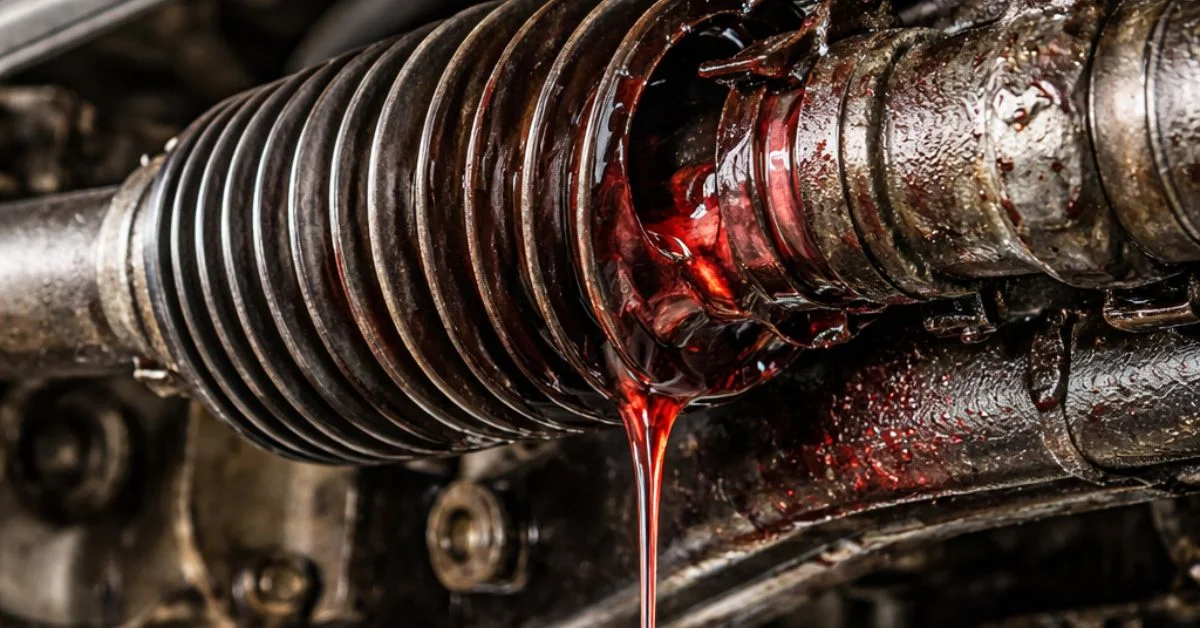


A car rarely fails out of nowhere. Most breakdowns begin as small warnings you could have caught weeks earlier, and a smart maintenance routine turns those warnings into simple fixes instead of expensive surprises. The difference usually comes down to whether you treat service as a panic button or as part of owning the vehicle properly.
Drivers often think car care means reacting when something sounds strange, smells hot, or flashes red on the dashboard. That mindset costs money. A better approach starts with consistent checks, clear records, and guidance from people who know how your vehicle behaves over time. For owners comparing service advice, local repair options, or automotive visibility through trusted digital networks, the bigger lesson is the same: trust grows when information is clear, timely, and useful.
A strong routine does not mean visiting a workshop every other week. It means knowing when to inspect, when to replace, when to question a repair, and when to listen before a small issue turns into a road-side problem. Cars reward attention. Ignore them, and they answer in bills.
Why a Maintenance Routine Starts Before Something Breaks
The best car owners are not the ones who spend the most money at repair shops. They are the ones who notice patterns early, follow a vehicle service schedule, and avoid making rushed choices when something goes wrong. Good maintenance feels boring when it works, which is exactly the point. A quiet engine, steady braking, clean fluids, and predictable fuel use rarely create drama, but they protect you from the kind of repair bill that ruins a month.
Preventive Car Care Saves More Than Repair Costs
Preventive car care works because cars usually give you small clues before they give you major trouble. A faint vibration at highway speed might point to tire balance, worn suspension parts, or alignment drift. A slightly longer brake pedal travel could mean air, fluid wear, or pad loss. None of those signs should send you into panic, but each deserves attention before it becomes a safety risk.
The counterintuitive part is that skipping minor service often feels like saving money. You leave the shop with cash still in your pocket, so the choice feels smart. Then the same neglected issue damages connected parts, and the repair grows teeth. A worn belt is cheap compared with the damage it can cause after failure.
Preventive car care also gives you control over timing. You can plan work around paydays, travel, weather, and vehicle use instead of losing a day because the car chose its own deadline. That control matters more than most drivers admit.
Why Your Vehicle Service Schedule Should Fit Real Driving
A vehicle service schedule printed in a manual gives you a baseline, not a full picture of your life. Stop-and-go traffic, short trips, dust, heat, rough roads, heavy loads, and long idling can all age parts faster than easy highway driving. Two cars with the same mileage can live completely different lives under the hood.
A driver who spends twenty minutes crawling through traffic each morning may need different attention than someone who drives open roads at steady speed. Oil, brakes, cooling systems, tires, and batteries all respond to conditions, not calendar pages alone. That is where a good mechanic adds value that a generic checklist cannot.
A practical vehicle service schedule should change as the car ages. A five-year-old vehicle with clean records needs one kind of plan. A ten-year-old vehicle with unknown repair history needs another. Treating both the same is tidy on paper and careless in practice.
Building Trust Before the First Major Repair
Trust should not begin when your car is already on a lift and you feel stuck. The better move is to build a mechanic relationship during small services, routine inspections, and ordinary questions. That gives you time to judge communication, pricing, honesty, and workmanship without the pressure of a stalled engine or a tow truck receipt in your hand.
What Honest Communication Sounds Like in a Workshop
A trustworthy mechanic explains the difference between urgent, soon, and optional. Those three words protect drivers from fear-based spending. Urgent means safety or damage risk. Soon means the part is wearing and should be planned. Optional means comfort, preference, or improvement rather than immediate need.
Good communication also includes showing evidence. A mechanic might point out uneven tire wear, fluid leaks, cracked rubber, weak battery readings, or brake pad thickness. You do not need to become a technician to understand what you are paying for. You need enough clarity to make a confident decision.
The warning sign is pressure without explanation. When a shop rushes you into repairs but cannot explain the failure, the risk, or the order of priority, your wallet is doing more work than your judgment. A healthy mechanic relationship leaves room for questions.
Auto Repair Planning Turns Guesswork Into Decisions
Auto repair planning sounds formal, but it can be as simple as keeping a note on your phone with dates, mileage, repair details, and upcoming recommendations. That small habit changes the conversation at every visit. Instead of saying, “I think the brakes were done recently,” you know when they were done and what parts were used.
Records also help separate real problems from repeated guesses. If the same issue keeps coming back after different repairs, the pattern matters. A reliable shop will look at that history instead of treating each visit like a fresh mystery.
Auto repair planning becomes even more useful before long trips, seasonal changes, or major mileage points. You can ask for a pre-trip inspection, plan tire replacement before wet weather, or address battery weakness before colder mornings expose it. The calm version of repair is almost always cheaper than the emergency version.
How Trusted Mechanics Help You Read the Car Clearly
A car is a machine, but owning one is emotional when money and safety enter the picture. Strange noises create worry. Warning lights create doubt. Repair estimates create suspicion. Skilled guidance helps you separate what matters now from what can wait, and that is where trusted mechanics prove their worth. They reduce confusion without making you feel small for asking basic questions.
Small Symptoms Often Tell a Larger Story
A squeak is not always “only a squeak.” It may be harmless trim movement, dry bushings, brake wear, belt slip, or suspension stress. The sound itself matters, but the timing matters more. Does it happen when turning, braking, starting cold, crossing bumps, or accelerating? A mechanic who asks those questions is already narrowing the path.
Drivers sometimes weaken the diagnosis by describing only the fear, not the pattern. “It sounds bad” helps less than “it clicks once when I turn left into parking spaces.” Clear details save time and may save labor charges because the technician starts closer to the source.
The unexpected truth is that you know your car better than any shop on the first visit. You drive it daily. You hear its normal rhythm. A good mechanic knows how to use that knowledge instead of dismissing it.
Repair Priorities Should Match Safety, Damage Risk, and Budget
Not every repair deserves the same urgency. Brakes, steering, tires, overheating, fuel leaks, and electrical faults that affect visibility or starting sit high on the list. Cosmetic annoyances, comfort issues, and minor seepage may still matter, but they do not always belong at the front of the line.
A fair shop helps you rank repairs without shaming your budget. That matters because many drivers avoid workshops when they fear being judged for not approving everything. Silence then becomes expensive. Better to say, “I can handle one repair now; what protects the car most?” than to disappear until the vehicle gets worse.
This is where auto repair planning becomes practical instead of theoretical. A three-month plan can handle what one paycheck cannot. Responsible maintenance respects real life.
Making Car Care a Habit You Can Actually Keep
The strongest system is the one you will follow when life gets busy. Complicated spreadsheets, overlong checklists, and unrealistic inspection habits fade fast. A better system fits into fuel stops, monthly routines, seasonal changes, and service visits you already need. Car care should feel like brushing your teeth, not filing taxes.
Simple Checks Catch Problems Between Shop Visits
A monthly walkaround can catch more than people expect. Look at tire pressure, tread wear, fluid stains under the car, lights, wiper condition, coolant level, and unusual smells after driving. None of this requires tools beyond attention. That is the part many owners skip.
The key is consistency. Checking once after a problem starts helps less than checking often enough to notice change. A tire that loses air every month is telling you something. A coolant level that keeps dropping is not being shy. Cars speak in repetition.
A mechanic relationship becomes stronger when you bring these observations into the shop. You are no longer arriving with a vague complaint. You are bringing clues, and good clues shorten the distance between symptom and fix.
Your Routine Should Change With Age, Mileage, and Use
A newer car may need mostly fluids, filters, tires, software checks, and inspections. An older car asks for closer attention to belts, hoses, mounts, suspension parts, seals, cooling components, and electrical connections. Mileage matters, but age hardens rubber and weakens parts even when the odometer looks polite.
Heavy use also changes the rules. Delivery driving, school runs, rideshare work, towing, and city traffic all add stress. A car used for short daily trips may never fully warm up, which can affect oil condition, battery charge, and exhaust moisture. Low mileage does not always mean low wear.
A realistic plan adjusts without drama. Review the maintenance routine twice a year, ask what should be watched next, and keep the next service date visible. The best system is not fancy. It is the one you remember before trouble forces your hand.
Conclusion
Better car ownership begins when you stop treating repairs as random events. A dependable vehicle comes from steady attention, honest advice, and small decisions made before pressure takes over. You do not need to know every part under the hood, and you do not need to approve every suggestion the moment you hear it. You need a plan, a record, and a shop that explains the difference between concern and crisis.
The right maintenance routine gives you more than a healthier car. It gives you calmer mornings, safer trips, cleaner decisions, and fewer moments where a dashboard light ruins your day. That kind of control is worth building slowly.
Start with one simple step: choose a shop you can talk to, schedule a baseline inspection, and write down what your vehicle needs next. A car that gets steady attention will always age better than one that only gets attention after it complains.
Frequently Asked Questions
How often should I review my car maintenance routine?
Review it at least twice a year, ideally before seasonal weather changes. Heat, cold, rain, and heavy traffic affect tires, batteries, fluids, brakes, and cooling systems. A quick review helps you plan service before weather exposes weak parts.
What should I ask a mechanic before approving repairs?
Ask what the problem is, why it matters, how urgent it is, and what could happen if you wait. A good mechanic should explain the repair in plain language and help you separate safety concerns from comfort or cosmetic issues.
How can preventive car care reduce repair bills?
Small service tasks protect larger parts from damage. Fresh fluids, healthy belts, proper tire pressure, clean filters, and timely brake checks reduce strain across the vehicle. The savings often come from avoiding chain-reaction failures.
What makes a vehicle service schedule different for city driving?
City driving adds braking, idling, short trips, heat buildup, and stop-start wear. These conditions can age oil, brakes, batteries, and cooling parts faster than steady highway driving, so service timing may need to be tighter.
How do I know whether a mechanic is trustworthy?
Look for clear explanations, written estimates, repair priorities, evidence of the issue, and respect for your questions. A trustworthy mechanic does not pressure you with fear. They help you understand what matters now and what can wait.
Why is auto repair planning useful for older cars?
Older cars often need staged repairs because several parts may wear at the same time. Planning helps you handle safety needs first, budget for upcoming work, and avoid ignoring small issues until they become expensive failures.
What records should I keep for car maintenance?
Keep dates, mileage, repair details, part names, warranty notes, and future recommendations. Even a simple phone note works. Good records prevent duplicate work, support warranty claims, and help mechanics diagnose recurring problems faster.
Can a strong mechanic relationship improve vehicle safety?
Yes. A mechanic who knows your car’s history can spot changes sooner and give better repair priorities. That relationship creates continuity, which helps catch brake, tire, steering, cooling, and electrical issues before they put you at risk.