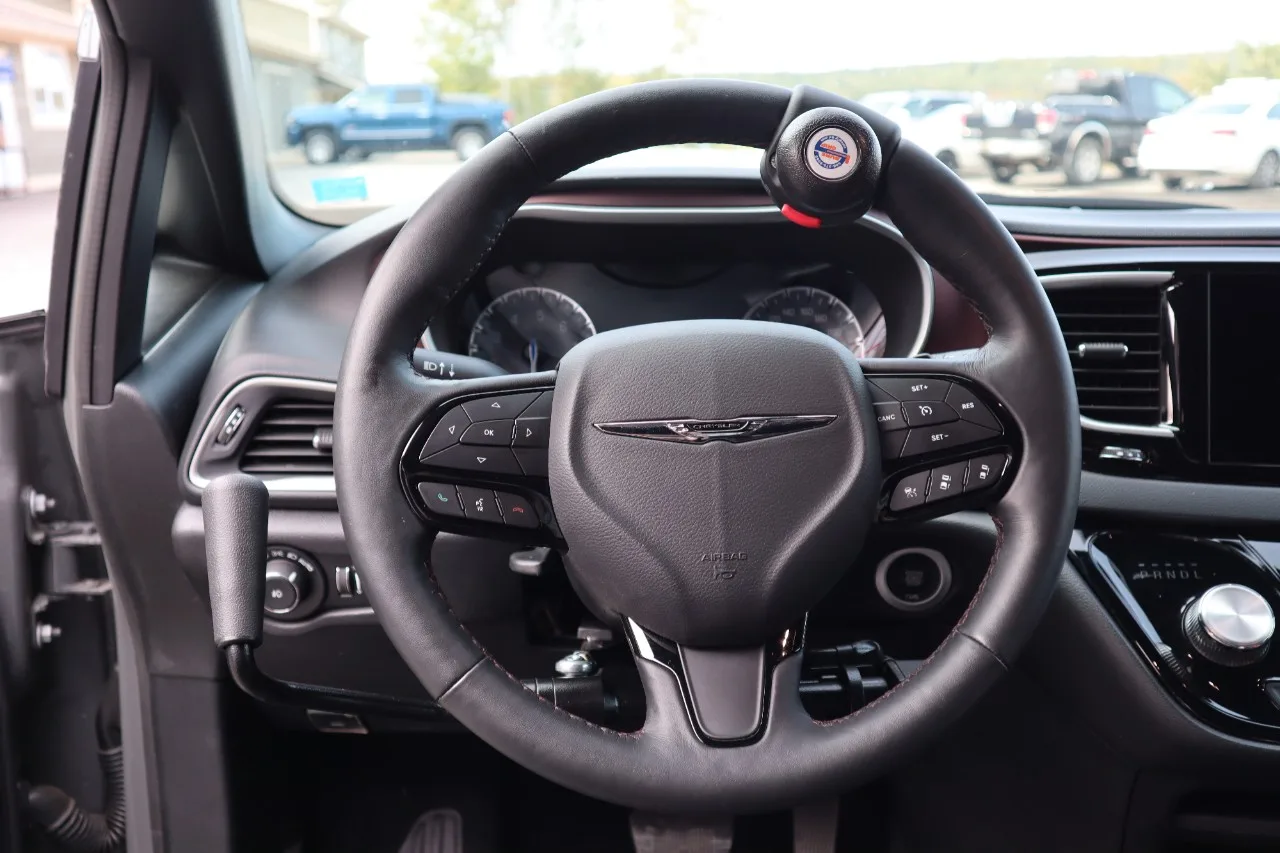
For a vehicle modification in Russellville, Arkansas, I would contact Superior Van & Mobility in North Little Rock as a local option. They offer driver assistance systems, wheelchair lifts, and other vehicle modifications. They are not located in Russellville. However, a professional driver assessment is necessary before selecting a hand control system. The National Highway Traffic Safety Administration (NHTSA) recommends determining necessary modifications with qualified professionals before purchasing or modifying a vehicle.
Vehicle conversion for Russellville: Three tasks differentiate
A hand control allows for different control of the accelerator and brake. A transport lift, on the other hand, loads a tool. An access system assists with getting in or out of the vehicle. I would describe these functions separately. The automotive electrical topics covered on bestekryptoborses.de are technically related, but they don’t answer which system is best suited to a person’s individual driving situation.
Equally important is the distinction between the driver and the passenger. Someone who drives themselves requires different inspections than someone whose wheelchair is simply being transported. Therefore, when you first contact us, specify the seating position, assistive devices, and intended use. A general product list is not yet a reliable conversion solution.
Superior Van & Mobility in North Little Rock
Superior lists adaptive driving controls, wheelchair lifts, scooter carriers, and wheelchair-accessible vehicles for its location on Cock of the Walk Lane. Maintenance and rental of accessible vans are also described. This makes the business a relevant regional inquiry. However, it does not imply a particular specialization in German vehicles.
Before traveling to North Little Rock, I would provide the vehicle identification number (VIN), model, year of manufacture, and any existing equipment. Make sure to explicitly confirm whether your vehicle is suitable for the proposed solution. The leasing topics discussed on besteinberlin.de serve as a reminder of another limitation: For a leased vehicle, permissible modifications must be clarified before any work is carried out.
Manual operation should only be selected after expert assessment.
The NHTSA describes an assessment of, among other things, vision, mobility, strength, coordination, and reaction time. From this, specific recommendations regarding the vehicle and modifications are to be developed. I would use these recommendations as a starting point for the installation proposal. A catalog system alone says little about whether operation is safe and sustainable in everyday life.
The authority also emphasizes the importance of instruction and practical driving training with the new equipment. A brief demonstration in the parking lot does not replace this preparation. While besteinhamburg.de also covers repairs of electrical vehicle functions, this article focuses on the safe use of modified controls. Installation and driving training serve different purposes and should both be planned.
The vehicle and equipment together count towards the lift’s value.
For a wheelchair or scooter lift, I would have the dimensions, weight, and specific model of the device readily available. The provider needs to assess whether the vehicle, lift, and intended use are compatible. The NHTSA explicitly recommends considering space and available payload. Remember to also consider other passengers and luggage, not just the weight of the device.
Inquire about the intended charging process and the space required at the usual parking spot. A solution might work on a demonstration vehicle but be impractical at home. The sensor issues described on besteinmunich.de remain a separate diagnostic task; any modification should explicitly consider existing driver assistance systems and necessary inspections.
During the initial consultation, I would describe the typical daily routine: Who loads the car, who rides along, and where is it parked? A change of wheelchair can also alter the planning. The NHTSA recommends communicating any planned changes to the assistive device during the assessment. This helps avoid designing a solution based on dimensions that will soon be outdated. Retain the documented system configuration for future service appointments.
For the handover, I would arrange a joint functional test and have the operating instructions and maintenance intervals explained to me. Also, ask who to contact in case of a malfunction and when the system must not be used. A good handover establishes clear responsibilities, instead of postponing open questions until the first difficult everyday situation arises.
Clarify maintenance and financing before placing the order
I would request a written quote detailing equipment, installation, adjustments, training, and maintenance terms. The NHTSA advises clarifying potential funding and the terms of any funding agency before purchasing. Funding is not an automatic guarantee. Follow-up inspections and service accessibility should also be considered, given the distance from Russellville.
The control unit topics covered on besteincologne.de necessitate a final distinction: Technical troubleshooting and the selection of a personal driving aid are distinct services. My decision would begin with a professional assessment and only then proceed to the appropriate installation. Having an accessible contact person for later adjustments would be more important to me than a particularly short sales deadline.
This overview does not replace a personal assessment of driving ability, technical approval or practical training with the required driving aid.