Owning a vehicle comes with the responsibility of keeping it in excellent condition. Regular maintenance not only extends the life of your car but also improves safety, fuel efficiency, and overall performance. Many drivers overlook routine inspections until a problem becomes serious, leading to expensive repairs that could have been avoided. By following a few essential maintenance practices, you can keep your vehicle running smoothly while reducing the chances of unexpected breakdowns.
Check Engine Oil Regularly
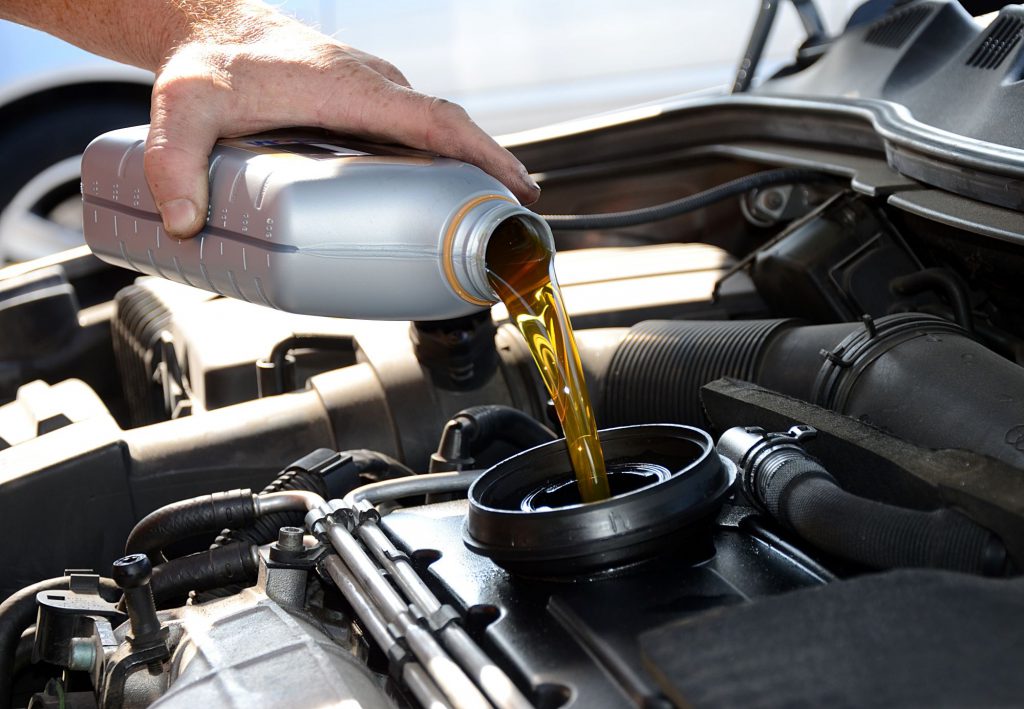
Engine oil is one of the most important fluids in any vehicle. It lubricates moving parts, minimizes friction, and helps prevent overheating. Drivers should check the oil level at least once a month and replace the oil according to the manufacturer’s recommended schedule. Using clean, high quality oil helps the engine perform efficiently and reduces wear over time.
Just as people search for reliable online resources such as mahabhulekh satbara to access important land records, drivers should rely on routine maintenance records to track oil changes and service intervals. Keeping accurate records makes future maintenance much easier.
Maintain Proper Tire Care
Tires play a significant role in vehicle safety and handling. Check tire pressure regularly because underinflated or overinflated tires can reduce fuel efficiency and increase tire wear. Inspect the tread depth and look for cracks, cuts, or uneven wear patterns that may indicate alignment or suspension issues.
Rotating your tires every few thousand miles promotes even wear and extends their lifespan. Proper wheel alignment also improves steering control and enhances driving comfort, especially during long journeys.
Inspect the Battery
A weak battery can leave you stranded without warning. Examine the battery terminals for corrosion and ensure the connections are secure. If your battery is more than three years old, have it tested during routine servicing to determine whether it still holds an adequate charge.
Modern vehicles rely heavily on electronic systems, making battery health more important than ever. Replacing a failing battery before it completely dies can save you from unnecessary inconvenience.
Monitor Brake Performance
Brakes are among the most critical safety components of any automobile. If you hear squealing noises, experience vibrations while braking, or notice that the brake pedal feels soft, have the braking system inspected immediately.
Brake pads, discs, and brake fluid should all be checked during scheduled maintenance. Addressing minor brake issues early helps prevent costly repairs while ensuring safe driving conditions.
Replace Air Filters
Clean air filters improve engine performance by allowing the correct amount of air to reach the combustion chamber. A clogged filter forces the engine to work harder, reducing fuel economy and performance.
Similarly, replacing the cabin air filter improves the quality of air inside the vehicle by reducing dust, pollen, and other airborne particles. This creates a healthier and more comfortable driving environment for passengers.
Keep an Eye on Fluids
Besides engine oil, several other fluids require regular attention. Coolant helps regulate engine temperature, transmission fluid supports smooth gear changes, brake fluid ensures effective braking, and windshield washer fluid improves visibility.
Staying organized with maintenance tasks is much like managing official information through platforms such as apna khata rajasthan gov in, where timely access to records helps simplify important responsibilities. Regular fluid checks provide the same level of preparedness for vehicle ownership.
Pay Attention to Lights and Wipers
Working headlights, brake lights, turn signals, and hazard lights are essential for road safety. Burned out bulbs should be replaced immediately to ensure visibility and communication with other drivers.
Windshield wiper blades also deserve regular inspection. Worn blades leave streaks that reduce visibility during rain or snow. Replacing them once or twice a year helps maintain a clear view of the road under changing weather conditions.
Follow the Service Schedule
Every vehicle manufacturer provides a recommended maintenance schedule covering inspections, replacements, and servicing at specific mileage intervals. Following this schedule helps identify small issues before they become major mechanical failures.
Many people carefully review pm surya ghar scheme details before making informed decisions about energy related investments. Likewise, reviewing your vehicle’s maintenance schedule allows you to make informed decisions that improve reliability and reduce long term ownership costs.
Drive Responsibly
The way you drive directly affects your vehicle’s condition. Rapid acceleration, hard braking, excessive speeding, and carrying unnecessary weight increase wear on the engine, brakes, suspension, and tires.
Smooth driving habits reduce mechanical stress while improving fuel economy. Avoiding potholes whenever possible and allowing the engine to warm up briefly in cold weather also contribute to longer vehicle life.
Technology has made it easier to manage many daily responsibilities through online platforms such as the hkrn portal, and vehicle maintenance has benefited from similar advancements through digital service reminders, maintenance tracking apps, and onboard diagnostic systems that help drivers stay informed.
Conclusion
Proper car maintenance is an investment that pays off through improved safety, better fuel efficiency, fewer unexpected repairs, and a longer lasting vehicle. Simple practices such as checking fluids, maintaining tire pressure, inspecting brakes, replacing filters, and following the manufacturer’s service schedule can make a significant difference in overall performance. Every driver who develops consistent maintenance habits will enjoy greater peace of mind, lower ownership costs, and a safer driving experience for years to come.