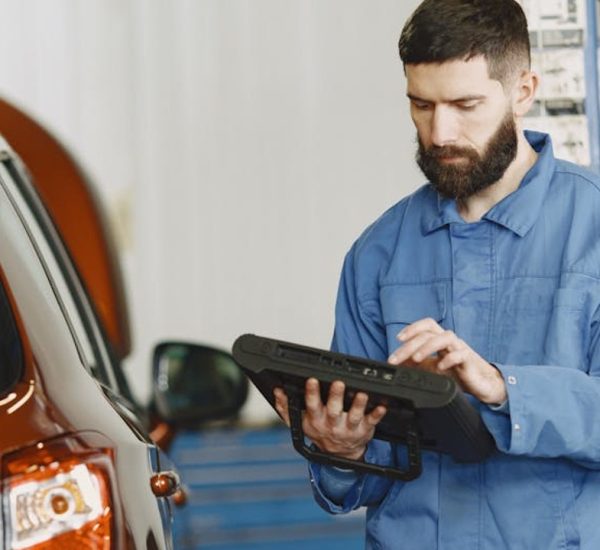
Cars used to hide their problems behind odd noises, rough starts, and the occasional dashboard light that left drivers guessing. That guessing game is ending fast, because diagnostic tools now give technicians a clearer path from symptom to source before the first major part comes off. Modern vehicles run on sensors, modules, software, wiring, and mechanical systems that all talk to one another, which means a repair shop needs more than a good ear and a socket set. You still need skill. You still need judgment. But the smartest mechanic in the room is stronger when the car’s own data is part of the conversation. For drivers comparing service options through trusted automotive resources and local repair networks, platforms such as automotive service visibility show how much the repair world has shifted toward clarity, speed, and accountability. The shops that understand vehicle diagnostics are not replacing human expertise with machines. They are giving that expertise sharper eyes.
Why Modern Auto Repair Starts With Better Information
A modern car is less like a single machine and more like a small moving network. Engine control, braking, steering assist, fuel delivery, emissions, climate control, battery health, and safety systems all send signals back and forth while you drive. When one part acts up, the real cause may sit three steps away from the symptom, and that is where blind repair gets expensive.
How Vehicle Diagnostics Reduce Guesswork
Vehicle diagnostics matter because symptoms can lie. A car that hesitates during acceleration may not have a fuel pump problem at all. It could be a dirty sensor, a weak ignition coil, a transmission shift issue, or a software-related throttle response fault. Without proper testing, a driver may pay for one part after another while the original issue stays untouched.
Good technicians do not treat a trouble code as a final answer. They treat it as a clue. Scan tools may point toward a misfire on one cylinder, but the mechanic still has to test spark, fuel, compression, wiring, and related data before making the call. That distinction separates careful repair from expensive guessing.
The unexpected part is that more data does not always make diagnosis easier. It can make bad habits louder. A weak shop may chase every code on the screen, while a strong shop reads the pattern behind the codes and asks what the vehicle is trying to say.
Why Scan Tools Still Need Human Judgment
Scan tools can read stored faults, live sensor values, freeze-frame data, and system readiness. That makes them valuable, but not magical. A code reader may tell a technician that an oxygen sensor is reporting lean conditions, yet the root cause could be an air leak, low fuel pressure, or a faulty mass airflow reading.
This is where experience earns its money. A technician who understands repair accuracy will compare the tool’s reading with how the engine behaves under load, at idle, and during warm-up. The screen gives direction, but the hands and mind confirm the truth.
Drivers often assume the tool “finds the problem” by itself. It does not. The tool opens the first door. A trained mechanic still has to walk through the room and notice what does not belong.
Diagnostic Tools Improve Repair Accuracy and Customer Trust
Once a shop has better information, the repair conversation changes. Instead of saying, “We think this part might be bad,” the technician can explain what the vehicle reported, what was tested, and why a certain repair makes sense. That shift builds trust because the customer can see the logic behind the recommendation.
How Repair Accuracy Saves Money Over Time
Repair accuracy is not only about fixing the issue faster. It is about avoiding the wrong repair entirely. A faulty wheel speed sensor, for example, can trigger ABS warnings, traction control warnings, and stability control alerts at the same time. A driver may fear a major brake system failure, while the actual repair may involve one sensor and a wiring check.
That kind of clarity protects the customer’s wallet. It also protects the shop’s reputation. Replacing parts without proof may create a short-term invoice, but it rarely creates a returning customer.
The strongest shops know that diagnostic tools support repair accuracy when they are paired with patience. A few extra minutes of testing can prevent hours of wasted labor, repeat visits, and frustration on both sides of the counter.
Why Onboard Computer Data Tells a Bigger Story
Onboard computer data gives technicians a record of how the vehicle behaved when the fault appeared. Freeze-frame information can show engine speed, temperature, vehicle speed, throttle position, and load at the moment a code was stored. That matters because a fault that appears only on cold starts needs a different path than one that appears after highway driving.
A real-world example makes this clear. A car may show a catalytic converter efficiency code, but onboard computer data may reveal repeated misfires that overheated the converter over time. Replacing the converter without fixing the misfire would be a costly mistake.
That is the hidden value of proper diagnosis. It does not only ask, “What failed?” It asks, “What caused the failure, and what happens if we ignore the cause?”
The Best Repairs Combine Technology With Mechanical Skill
Technology has changed the repair bay, but it has not erased the need for mechanical understanding. A technician still needs to know how engines breathe, how brakes respond, how voltage drops affect modules, and how worn parts behave under real driving conditions. Diagnostic tools are strongest when they sharpen that knowledge instead of replacing it.
How Electrical Testing Confirms What Codes Suggest
Electrical faults can make a good car act haunted. A corroded ground, damaged connector, weak battery, or rubbed-through wire can trigger warnings that look unrelated at first glance. Scan tools may show communication errors across several systems, but the actual fault may come down to poor voltage supply.
That is why a proper diagnosis often moves from software readings to hands-on testing. A technician may check voltage, resistance, signal patterns, and circuit load before blaming a module. This work is slower than plugging in a scanner, but it prevents costly mistakes.
Vehicle diagnostics become far more useful when the technician understands electricity. Without that knowledge, a screen full of codes can turn into a parts cannon, and nobody wins when repair becomes target practice.
Why Mechanical Problems Still Need Physical Inspection
Some problems never fully reveal themselves through data. A worn suspension bushing, uneven tire wear, leaking hose, cracked mount, or sticking brake caliper still needs a careful physical inspection. Sensors can report the effect, but they cannot always show the cause.
Consider a vehicle that pulls slightly during braking. Scan tools may show no electronic fault, yet a mechanic may find a seized slide pin or uneven pad contact. The absence of a code does not mean the absence of a problem.
This is where old-school skill still matters. The best shops blend scan tools, road testing, visual inspection, and touch. The car may speak through data, but it still tells part of the story through feel, sound, smell, and wear.
Smarter Diagnostics Shape the Future of Auto Service
The future of repair will belong to shops that can understand both the mechanical and digital sides of a vehicle. Cars are gaining more sensors, driver-assist features, hybrid systems, software updates, and networked modules. That raises the standard for everyone who works on them.
Why Driver-Assist Systems Demand Careful Calibration
Driver-assist features have added a new layer to repair work. Cameras, radar units, steering sensors, and braking systems may need calibration after windshield replacement, suspension repair, alignment work, or collision damage. A small misalignment can affect how the vehicle sees the road.
This changes the meaning of a complete repair. Fixing the visible damage is no longer enough if the safety systems no longer read lanes, distance, or obstacles correctly. A car can look repaired and still behave wrong.
Scan tools help technicians check system status, but calibration often requires exact procedures, proper targets, level floors, and controlled conditions. That level of care is not fancy. It is the price of keeping modern safety features honest.
How Better Diagnostics Change the Driver’s Role
Drivers also have a part to play. Ignoring warning lights, delaying service, or clearing codes before a shop can inspect the vehicle makes diagnosis harder. The more context you provide, the faster the technician can connect the dots.
Useful details include when the problem happens, whether the engine is hot or cold, what road speed is involved, and whether the issue appears after rain, traffic, refueling, or long highway driving. Those small details can turn a vague complaint into a focused test plan.
The counterintuitive truth is that a driver’s memory can be as useful as onboard computer data. Machines record signals, but people notice patterns. When both sides work together, the repair becomes cleaner, faster, and far less frustrating.
Conclusion
Modern repair is no longer a contest between human skill and technology. The best results happen when both work together, with diagnostic tools guiding the search and experienced technicians proving the answer before any part gets replaced. That approach protects your money, reduces repeat visits, and gives your vehicle a better chance of staying reliable as systems grow more connected. The smartest next move is simple: choose a repair shop that explains its testing process, not one that rushes straight to replacement. Ask what was checked, what the data showed, and why the recommended repair fits the evidence. A good shop will welcome those questions because careful diagnosis is not a sales trick. It is the foundation of honest auto repair.
Frequently Asked Questions
What are the best diagnostic tools for modern auto repair?
The best tools depend on the vehicle and repair type, but professional shops often use advanced scan tools, multimeters, oscilloscopes, battery testers, and calibration equipment. A basic code reader helps with simple checks, but deeper repairs need tools that read live data and system-specific information.
How do vehicle diagnostics help find engine problems?
Vehicle diagnostics help by showing fault codes, sensor readings, fuel trim data, misfire counts, and operating conditions. This gives the technician a starting point, but proper testing still matters. The goal is to confirm the cause before replacing parts.
Can scan tools fix a car by themselves?
Scan tools cannot fix a car by themselves. They read information from the vehicle’s control systems and help guide testing. A trained technician must interpret the results, inspect related parts, and confirm the real fault before making repairs.
Why does repair accuracy matter in auto service?
Repair accuracy matters because wrong repairs waste money and leave the original problem in place. Accurate testing helps the shop find the cause, not only the symptom. That reduces repeat visits and keeps customers from paying for parts they did not need.
What is onboard computer data in a vehicle?
Onboard computer data is the information stored and reported by a vehicle’s control modules. It can include fault codes, sensor readings, freeze-frame details, system readiness, and performance values. Technicians use it to understand what happened before and during a problem.
Are diagnostic tools useful for brake and safety systems?
Diagnostic tools are useful for brake and safety systems because many modern systems are electronically controlled. ABS, traction control, stability control, and driver-assist features often store codes and live data that help technicians identify faults and confirm safe operation.
How often should a car get a diagnostic check?
A diagnostic check makes sense whenever a warning light appears, performance changes, fuel economy drops, or the vehicle behaves differently. It can also help before long trips or when buying a used car, especially if the vehicle has modern electronic systems.
Why do mechanics charge for diagnostics?
Mechanics charge for diagnostics because proper testing takes time, equipment, training, and judgment. Reading a code is only one step. The real value comes from confirming the cause, checking related systems, and preventing the wrong repair